Paintings · The Golden Era
Paintings of the Renaissance
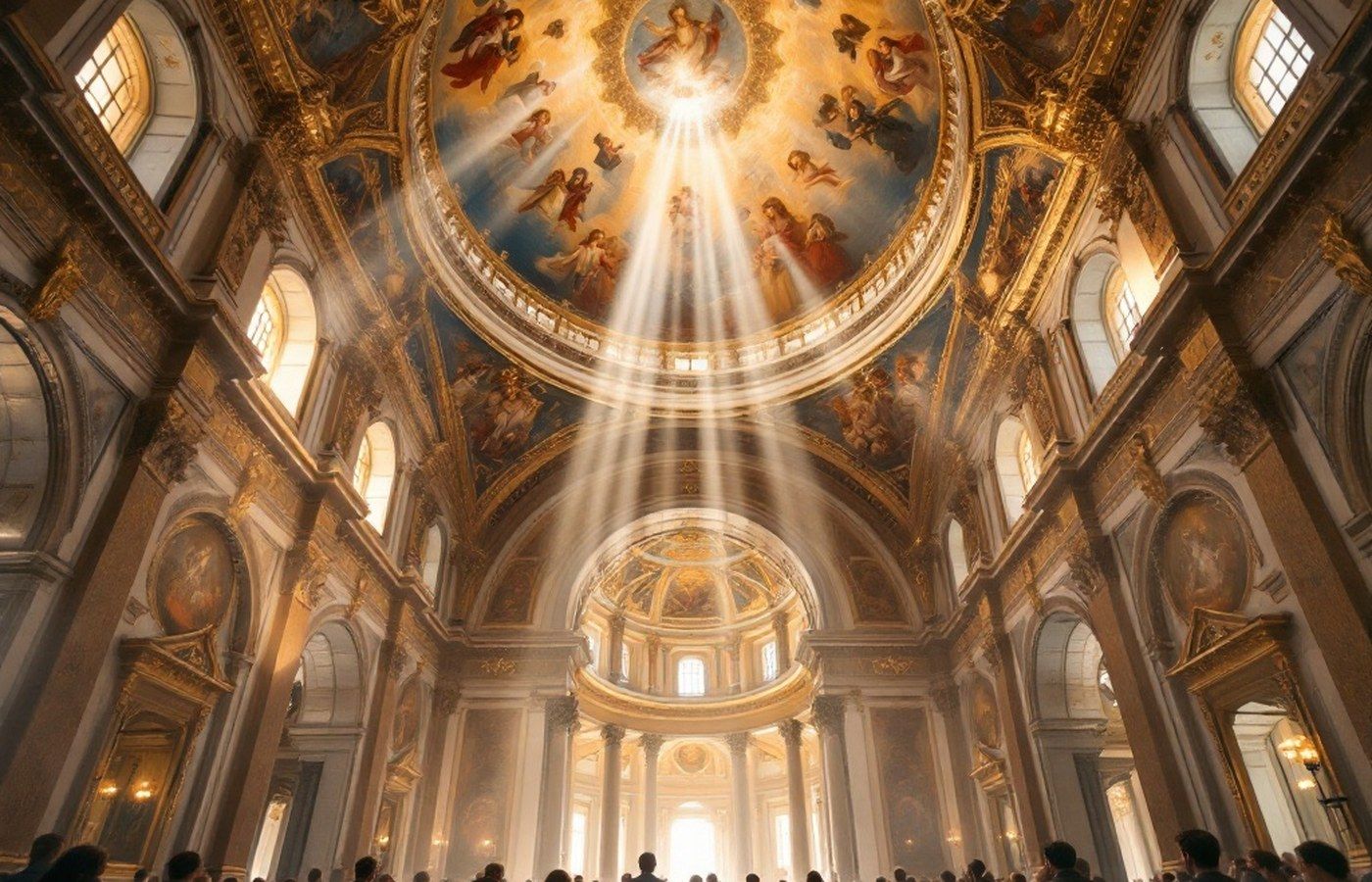
The Renaissance was the golden era of art. It began in the fourteenth century and lasted until the seventeenth, and it gave us some of the greatest artists who ever lived — Leonardo da Vinci, Michelangelo and Raphael among them — each making an immense contribution. The period produced religious masterpieces that developed the techniques of classicism and physical realism. Here are some of its most famous paintings.
- Mona Lisa — Leonardo da VinciOne of the most widely known paintings of all time, believed to have been painted between 1503 and 1506. It is thought to depict Lisa Gherardini, wife of Francesco del Giocondo. Permanently displayed in the Louvre in Paris, it is easily the most famous painting of the Renaissance — an oil painting on a wood panel, and a mystery to the masses for ages as to its origin. It is famous in part because Da Vinci never truly finished it, and the woman in the portrait has no eyebrows.
- Annunciation — Leonardo da VinciAnother masterpiece from Da Vinci, this oil painting on a wooden panel depicts the angel Gabriel, sent to earth to announce that the Virgin Mary would give birth to the son of God, to be named Jesus. Religious subjects were extremely popular during the Renaissance and inspired much of its greatest work. It is thought to have been painted between 1472 and 1475 and hangs in the Uffizi Gallery in Italy.
- The Last Supper — Leonardo da VinciDepicting the last meal Jesus shared with his disciples, this painting too is inspired by religion. During the meal, Jesus predicts that one of his disciples will betray him — and so it comes to pass. Enormously important in Christianity, it is thought to have been made between 1495 and 1498, in tempera on gesso, pitch and mastic, and is one of the most famous paintings in the world, located in Santa Maria delle Grazie in Milan.
- Assumption of the Virgin — TitianTitian is known as one of the finest artists of the period, and choosing the best of his masterpieces is difficult — but this one is special, for it was his first major commission in Venice and led to his enormous success. Religious in theme, it depicts a scene in three parts: the apostles watching in awe and surprise as the Virgin Mary, on the second level, surrounded by cherubs, is carried up to heaven. It captures, in short, the rising of Mary to heaven.
- The School of Athens — RaphaelWhen we speak of Renaissance artists, Raphael is among the first names to come to mind. Painted between 1509 and 1511, this fresco depicts the greatest mathematicians, philosophers and scientists in one room, in conversation and sharing ideas. The greatest emphasis falls on Aristotle and Plato at the centre; around them are Pythagoras, Ptolemy and many more learned figures who changed the world for the better. It is located in the Apostolic Palace in the Vatican.
- Primavera — Sandro BotticelliAlso known as the Allegory of Spring, this painting has invited many readings — that it shows a group of mythological figures in a garden during spring; that it illustrates the idea of Neoplatonic love. Its history is not entirely clear, but it may have been created around 1477. It had no title at the time; the names it goes by now were given later. It is one of Botticelli's finest works.
- Sistine Madonna — RaphaelThe last painting Raphael made in the Madonna series, created as an altarpiece for a chapel in 1512. It depicts the Madonna holding the baby Christ, while Saint Barbara and Saint Sixtus stand on the clouds beside her, and two winged cherubim look up from below. It is currently held in the Gemäldegalerie Alte Meister in Dresden.
The most famous painting in the world was never finished — Da Vinci simply stopped, and left the woman with no eyebrows.
A closing thought
Different as they are — a fresco, an altarpiece, a portrait on a wood panel — each of these seven chases the same Renaissance ambition: to make paint behave like flesh, stone and light all at once. Five centuries on, remarkably few painters have matched it.
Full-time blogger and guidance counsellor. I write Art Inconnu to bring overlooked artists and their work back into the light.